Convert QIF to QIF for Quicken
Rewrite your QIF file with settings suited to Quicken, or clean transaction details before importing. Check the original rejection message and review the new file; reconversion does not fix every import problem. Read the full Quicken guide.
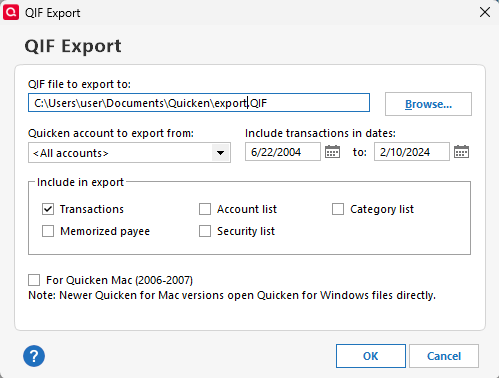
What is a QIF file
QIF is plain text with no transaction IDs and no account number, so apps can't use it to detect duplicates. Avoid converting the same period twice. Its dates can be ambiguous, such as 03/04/26, so confirm the date format in the app. QIF can carry categories, which are useful when the output needs expense and income accounts.
What is a QIF file
QIF is an older plain text format for transactions, with a line for each date, amount, payee, memo, check number and category. It has no transaction IDs and no currency, and every Quicken for Windows version can import it. More about QIF.
Why convert QIF to QIF again
A QIF file written for one application may use dates, account types or category details that another importer interprets differently. Read the file in ProperConvert, confirm the input date interpretation, then write QIF using the target for Quicken. This can address format differences behind an import rejection without changing the transactions' purpose.
QIF can carry categories and splits, so review those before writing the new file. Match the destination account and check how the chosen application handles transfers and category names. QIF has no transaction IDs or currency field; reconversion does not add reliable duplicate protection or turn it into a currency-aware statement.
Review transaction changes before importing
Use Rules to clean payee names, change memo text or assign categories in the transaction preview. For example, turn a long payment reference into the vendor name you use in your books. What the destination receives depends on its import format: a category shown in ProperConvert is not a promise that every importer will use it. Keep the original file, compare dates and amounts, and avoid importing the same transactions twice.
QIF reconversion questions
Will rewriting QIF fix every rejected file?
No. A suitable target can resolve format differences, but account restrictions, an incorrect input date interpretation or invalid source data must still be corrected. Follow the destination's QIF import instructions below.
Can I clean categories and split transactions?
Review the parsed categories and splits, apply appropriate Rules and check the result. The destination must support those details; confirm the split totals and account names before importing.
Can I import the rewritten period again safely?
Do not assume that it is safe. QIF has no transaction IDs, so avoid overlapping periods and review what has already been imported.
Before you import: back up Quicken
Back up your Quicken data file before you import any file, so you can restore it if the transactions come in wrong.
Step by step: convert QIF to QIF again
- Start the latest ProperConvert in Transactions mode and keep the original file for reference.
- Open your QIF file. Review the account, dates, signed amounts and transaction count before changing anything.
- Use Rules when you need to clean payees or memo text, or assign categories. Check the changed preview. The output layout and importer decide which details can be transferred; review categories and splits separately.
- Choose the QIF target for Quicken. Confirm the account type, destination account name and output date format. Check categories, transfers and split totals against the destination's QIF requirements.
- Read the output settings below, then click Convert and save under a new name so the original is retained.
- Follow the destination import steps below, review the result and compare counts and amounts. Avoid overlapping imports; a rewritten file can still contain transactions already imported.
If the original was rejected, use its actual error to check the settings or source data. Rewriting can address supported format differences, but does not guarantee acceptance or remove the accounting app's own restrictions.
Set the QIF output settings
In the QIF tab on the right sidebar, set:
- QIF target: the app and version you import into. It also sets the output date format.
- Account type: Bank for checking and savings, CCard for credit cards.
- Account name: exactly as it appears in Quicken. Quicken 2017 and earlier find the account by this name and offer to create a new one if it doesn't match.
See all QIF settings.
Import the QIF file into Quicken
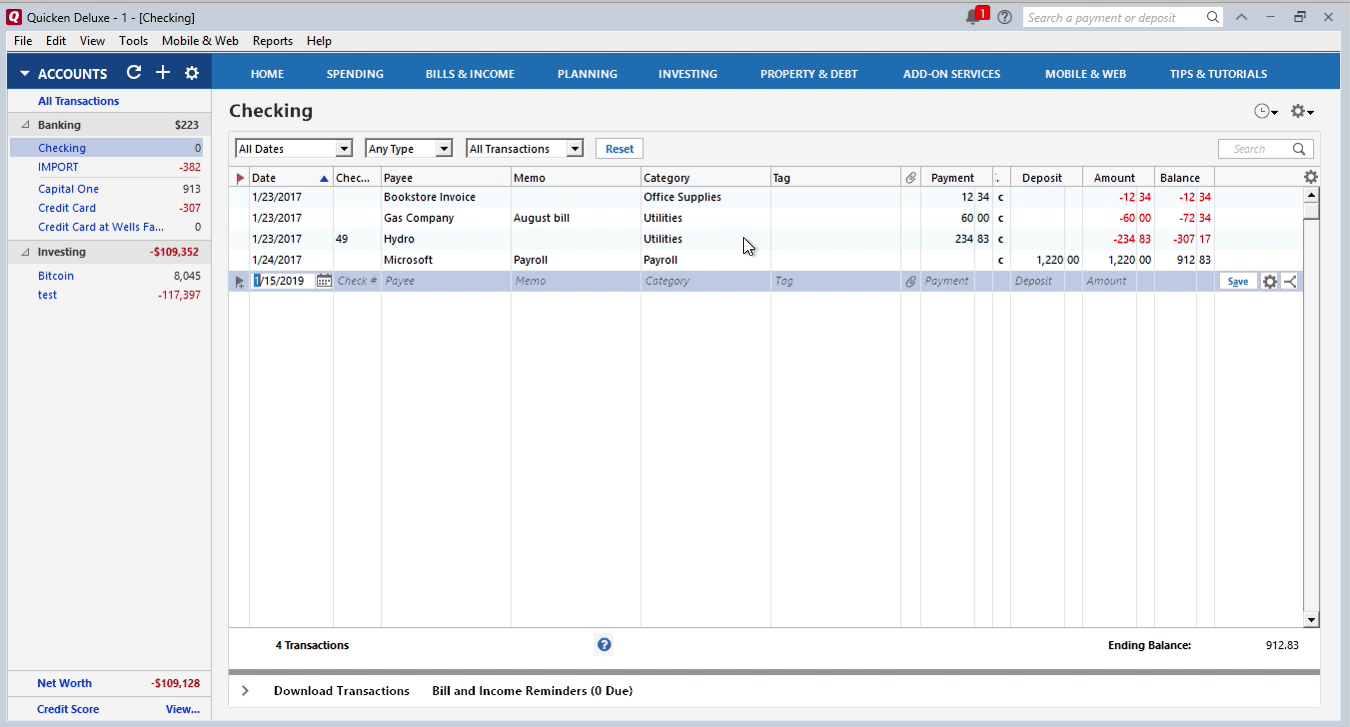
QIF works in Quicken for Windows only; Quicken for Mac doesn't import it. It doesn't check for duplicates, so import each period once.
In Quicken Classic (2018 and later):
- Click File > File Import > QIF File and select the file.
- Select the account to import into from the drop-down list.
- Click Import and review the transactions.
In Quicken 2005-2017 (Deluxe edition or higher):
- Click File > File Import > QIF File, click Browse, and select the file.
- In "Quicken account to import into", select All Accounts. The file already names the account.
- Click Import, then Done. Review the transactions and click Accept All.
Quicken QIF questions
QFX or QIF for Quicken for Windows?
QIF when categories should come in with the transactions, or when Quicken is older than three years. QFX when the transactions should go into an account that already receives downloads and categories will be assigned by rules.
Can I import transactions into a discontinued Quicken?
Yes, as QIF. Quicken 2017 and earlier no longer accept QFX; convert the QFX or other file to QIF and import it.
Related Quicken conversions
- Import PDF into Quicken: convert PDF to QIF
- Quicken: convert CSV or Excel to QIF
- Import OFX into Quicken: convert OFX to QIF
- Import QFX into Quicken: convert QFX to QIF
- Import QBO into Quicken: convert QBO to QIF
- Import QIF into Quicken: convert QIF to QFX
- Import QIF into Quicken: convert QIF to CSV
- Import MT940 into Quicken: convert MT940 to QIF
- Import IIF into Quicken: convert IIF to QIF