Import PDF into MYOB: convert PDF to QIF
MYOB imports QIF files. Convert your PDF file to QIF first, then import it. Read the full MYOB import guide.
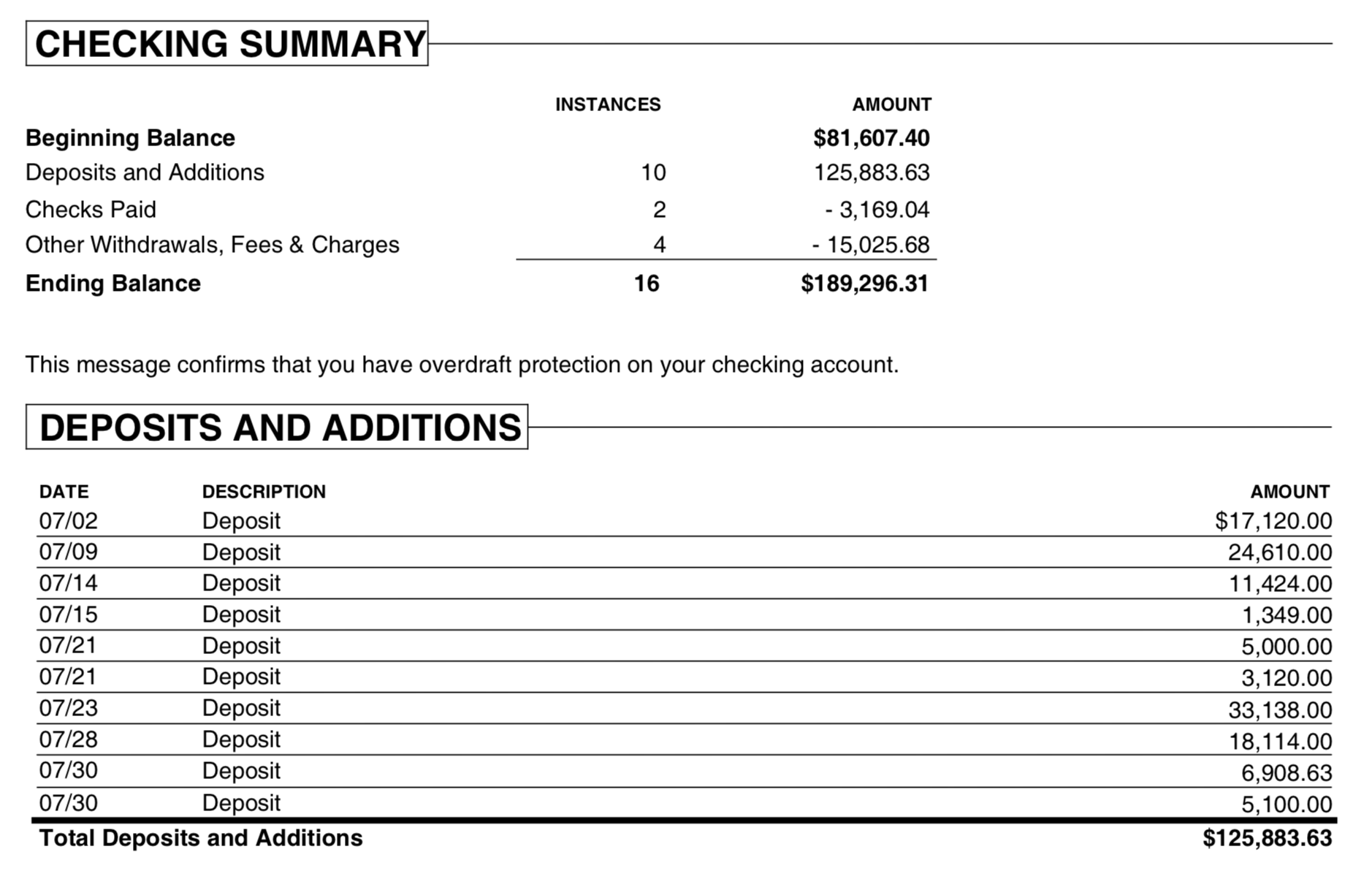
What is a PDF statement
A PDF shows transactions for reading, not for importing, so every row has to be extracted from the page layout. Before you convert, check that rows split across two pages are complete, that statements crossing a new year have the right year, and that the total matches the closing balance. A scanned statement is read with OCR, so check its amounts more closely.
What is a QIF file
QIF is an older plain text format for transactions, with a line for each date, amount, payee, memo, check number and category. It has no transaction IDs and no currency. More about QIF.
Why convert PDF to QIF
A PDF shows a statement to people, but accounting apps can't read its table of transactions. QIF is a plain text format that apps without OFX support often import, and it can carry categories. It has no transaction IDs, so import each period only once.
Before you import: check the account in MYOB
Check that the account exists and which periods are already imported. Importing the same file twice, or statements with overlapping periods, creates duplicate transactions.
Step by step: convert PDF to QIF
- Download, install and start ProperConvert. The trial is free.
- Open your PDF file.
- Review the transactions to see how the app read your file. Check that the dates are correct, and that expenses are negative and deposits (payments to the account) are positive. The "Change +/-" button reverses the signs for the whole file, for bank and credit card accounts alike.
- Set the QIF settings below.
- Click Convert, then confirm the file name and location.
Set the QIF output settings
In the QIF tab on the right sidebar, select MYOB as the QIF target. MYOB has special requirements for QIF files, and this target meets them. It writes dates as DD/MM/YYYY. See all QIF settings.
Import the QIF file into MYOB
- Log in to MYOB, click Banking, then Bank Transactions.
- Click Import Statements and select the account to import into.
- Browse to the QIF file and click Open.
- Set "Date format if using QIF" to DD/MM/YYYY.
- Click Import now.
- Review the transactions: check the assigned account and tax code, and split transactions if needed.
See the MYOB import guide for more.
MYOB QIF questions
Why does MYOB refuse my QIF file?
MYOB has special requirements for QIF files, so a QIF written for another app fails. Convert it with the MYOB QIF target.
Can MYOB allocate transactions automatically?
Yes. You can create a rule from a transaction (payee, amount and description), so MYOB allocates matching transactions on the next import.
How do I undo an import?
Click Import Statements, then View Import History. Select the account you imported into, then click Action, Continue and Delete.